|
|
|
|
|
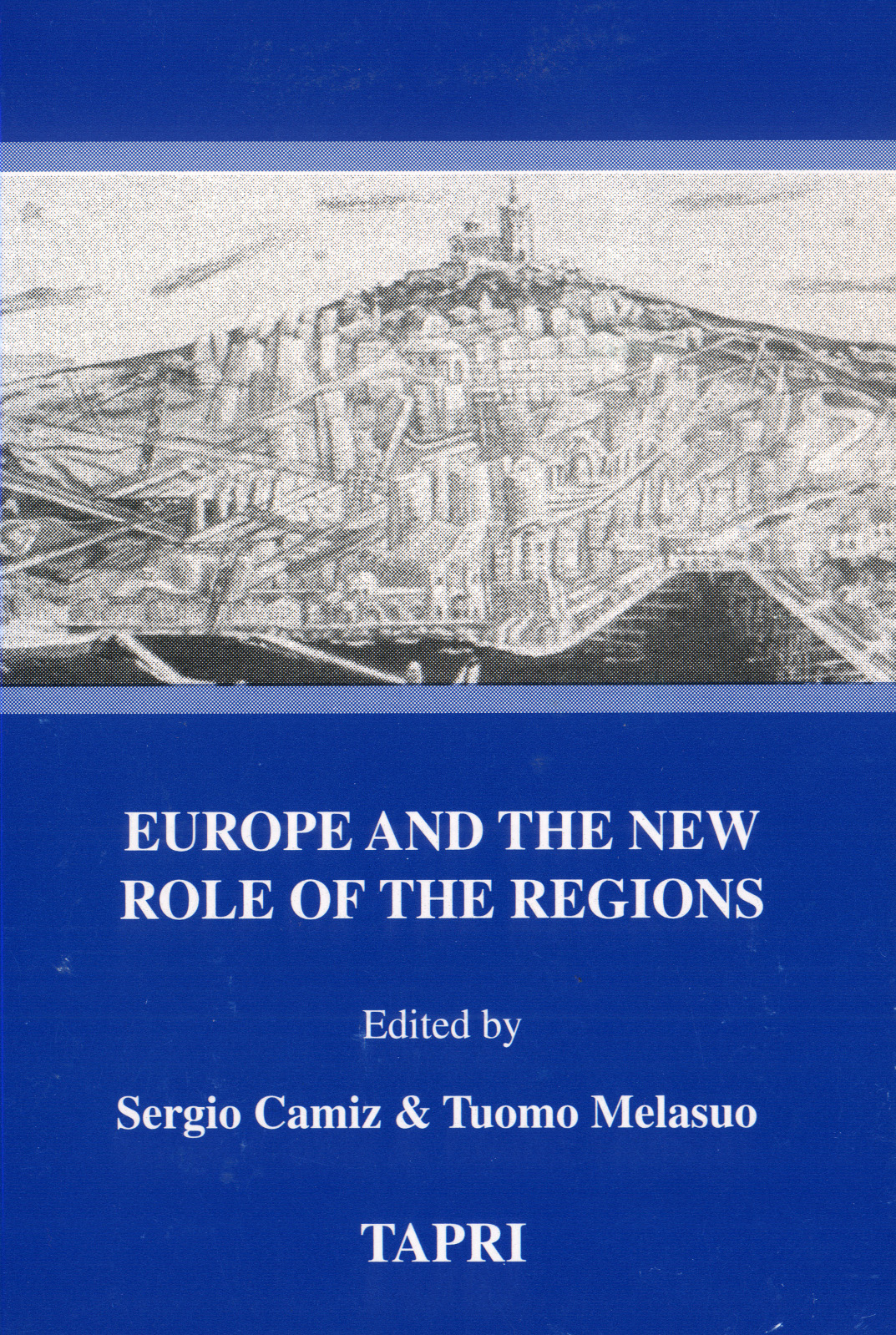
EUROPE AND HE NEW ROLE OF THE RELIGIONS
Sergio Camiz & Tuomo Melasuo. Edition TAPRI (Tampere Peace
Research Institute) –
Tampere 2003 (en.) format 20x14 – pp. 149 ISBN 951-706-201-X;
The integration of Europe advances as European Union is developing
relations with the nearby areas, such as Mediterranean, as well
as Central and Eastern Europe where it is preparing its enlargement.
New large integration processes of this kind are also developing
in other parts of the world. ASEAN, MERCOSUR, NAFTA, Africa
Union, and NEPAD. These huge areas, in progress for integration,
are among the most important elements of globalization and,
at the same time, an answer to its challenges. |
| All this has an
impact on European societies, in what concerns both their
internal organization and the relations among them. One of
the main features in this context is the new role acquired
by the regions. The treaties of Maastricht and Amsterdam,
as well as the ongoing work of the European Convention preparing
the future of the Union, have put forward important landmarks,
which permit the development of regions and regional cooperation
in our continent. The aim of this edited volume is to study
the new forms of regional organization in different areas,
levels and sectors, as they are carried out by different actors,
both on the theoretical and the pragmatic point of view.
|
|
|
|
|